SINICROPILONGEVITY ADVISORY

COGNITIVE HEALTH · A FIRST PRINCIPLE

Protect the mind
behind your legacy.

Clear thinking. Meaningful connection.
The capacity to remain yourself.

For people whose judgment, creativity and presence carry extraordinary responsibility, brain health belongs at the center of the plan. It is a foundational priority of Sinicropi Longevity Advisory.

Discuss your cognitive-health priorities
FOR THE INDIVIDUALClarity & independence.
FOR LEADERSHIPJudgment & continuity.
FOR THE FAMILYPresence & connection.

THE CAPITAL THAT MAKES EVERYTHING ELSE POSSIBLE

Cognitive health is
not an afterthought.

A longer life matters most when you can continue to participate in it.

Remembering the people you love. Weighing a difficult decision. Learning something new. Remaining engaged in your business, your family and your world. These are not secondary considerations in a longevity strategy.

We bring cognitive priorities into the conversation from the beginning: your current function, relevant medical history, daily demands, potential contributors to change and the information that could lead to a better decision.

Dr. Sinicropi’s work in brain-health and neurorecovery program development informs this perspective. The emphasis is on combining clinical depth with a disciplined openness to new ideas, rather than treating more technology as an end in itself.

Our goal is to support cognitive health and address appropriate risks. No program can ensure preservation, prevent every cause of decline or guarantee a particular cognitive or longevity outcome.

FROM BASELINE TO A CONSIDERED PLAN

A deliberate process.
Built around you.

Assessment becomes valuable when it changes a decision. The scope, clinical providers, testing and review cadence are established individually.

  1. 01

    Understand.

    Clarify your goals, everyday function, concerns, history, family context and the demands your life places on cognition.

  2. 02

    Establish context.

    Consider appropriate baseline assessment and the medical, sensory, sleep and emotional factors that may affect performance.

  3. 03

    Interpret.

    Distinguish meaningful findings from noise. Identify what calls for a specialist, further evaluation or a practical change.

  4. 04

    Prioritize.

    Build a coordinated direction with your clinicians, separating established care from condition-specific and emerging options.

  5. 05

    Reassess.

    Agree on what to track and when to revisit it. Consider real-world function and tolerability, not just a changed number.

ADVANCED ASSESSMENT, WITH A CLINICAL PURPOSE

Look beyond
a single score.

Different tools answer different questions. Testing is selected for the person and the decision, not automatically assembled into a universal package.

COGNITION & EVERYDAY FUNCTION

Understand the pattern.

Where appropriate, standardized assessment can examine memory, attention, processing speed and executive function. A fuller neuropsychological evaluation may be warranted when symptoms, history or initial findings call for it.

Interpretation should consider education, language, mood, sleep, sensory limitations, medications and practice effects on repeated testing.

A brief screen is not a dementia diagnosis. Evidence is insufficient to recommend for or against routine cognitive screening in asymptomatic adults aged 65 and older; baseline assessment should be an informed, individualized decision. [1]

THE WHOLE-PERSON BASELINE

Find what may be contributing.

Review vascular and metabolic health, sleep quality and possible sleep disorders, hearing and vision, medications, mood, alcohol, physical activity, nutrition and social engagement with the appropriate care team.

These domains help put cognitive findings into context and identify potentially actionable priorities.

Clinical history determines which examinations, laboratory tests or referrals are appropriate. Addressing a risk factor does not guarantee prevention of cognitive decline. [2]

NEUROPHYSIOLOGY & TARGETED IMAGING

Use advanced tools thoughtfully.

BrainView/qEEG and related neurophysiological assessment appear in Dr. Sinicropi’s broader brain-health program work. In a suitable clinical setting, EEG data can add a perspective for a qualified professional to interpret alongside the history and examination.

Brain MRI, specialist assessment or other investigations may be considered for a defined clinical question. The advisory can help frame the question and coordinate appropriate next steps.

qEEG is not a standalone diagnosis, and its clearance does not establish dementia prediction or prevention. Imaging is not an automatic entitlement or a promise of detecting all disease. P300 and other specialized measures require protocol-specific interpretation. [3]

SPECIALIST DIAGNOSTICS

The right test for the right concern.

A history of head injury, progressive symptoms or another neurological concern deserves its own clinical pathway. Emerging Alzheimer’s blood biomarkers also have defined patient populations and intended uses.

We distinguish a diagnostic workup from a wellness assessment rather than treating every new test as routine screening.

FDA-cleared Lumipulse Alzheimer’s blood testing is for symptomatic adults 55 and older in the appropriate clinical setting, not population screening or standalone diagnosis. EyeBOX is an adjunct to concussion diagnosis within one week of head injury in patients aged 5–67, alongside neurological assessment; it is not an Alzheimer’s screening tool. [4,5]

OPEN-MINDED ABOUT OPTIONS. EXACTING ABOUT EVIDENCE.

Explore the frontier.
Keep your judgment.

A sophisticated advisory should be able to explain both why an option is interesting and what would make it inappropriate. New technology earns consideration through evidence, suitability and a meaningful decision.

01 / ESTABLISHED FOUNDATIONS

Begin with what
deserves attention.

  • Vascular and metabolic care: appropriate clinician-led management of blood pressure, diabetes and other relevant conditions.
  • Daily capacity: individualized movement, nutrition, sleep and recovery priorities.
  • Sensory and emotional health: hearing, vision, mood and medication review where relevant.
  • Engagement: purposeful cognitive and social activity that fits the person’s life.
02 / CONDITION-SPECIFIC CARE

Match treatment
to the indication.

  • Specialist pathways: neurological, neuropsychological, sleep, hearing or mental-health evaluation when indicated.
  • TMS / ExoMind: a technology appearing in HyperCharge’s advertised clinical programs. Device authorization and evidence must be matched to the actual diagnosis and model.
  • Neurorecovery: concussion and brain-injury care are distinct clinical needs, not interchangeable with prevention in an otherwise healthy principal.

TMS clearance for depression is not clearance for dementia prevention or general cognitive enhancement. Clinical eligibility, risks and contraindications require qualified assessment. [6]

03 / EMERGING APPROACHES

Investigate carefully.
Measure meaningfully.

  • Transcranial photobiomodulation: protocol-specific research warrants discussion, but findings differ across studies and durable preventive benefit in healthy adults remains unproven.
  • Neurofeedback: EEG-based training may be considered in selected contexts; a changed signal is not automatically an improvement in memory or daily function.
  • Decision discipline: review the exact intervention, evidence, alternatives, risks, costs, consent and criteria for reassessment or stopping.

These approaches do not carry the same evidence as established risk-factor care and are not represented as proven dementia prevention. [7,8]

HyperCharge Health’s separate NeuroRecovery program publicly describes tools including BrainView/qEEG, photobiomodulation, TMS and neurofeedback. That menu informs the broader clinical conversation; it does not mean every tool is available, suitable or included in Sinicropi Longevity Advisory. Treatment is provided only through appropriately licensed clinicians and separately agreed clinical arrangements. [9]

RESEARCH THAT INFORMS THE CONVERSATION

Reasons to act.
Reasons to stay precise.

Evidence supports taking brain-health priorities seriously. It also places important limits on what any program should promise.

US POINTER · JAMA 2025

A structured,
multidomain approach.

In 2,111 older adults at elevated risk, both intervention groups improved. A structured lifestyle program produced a small additional improvement in global cognition compared with self-guided support over two years.

The between-group difference was 0.029 standard deviations per year. Clinical significance and longer-term outcomes remain uncertain; the trial did not establish dementia prevention by this advisory.

Read the original trial ↗
SPRINT MIND · JAMA 2019

Vascular health
belongs in the plan.

Among selected adults with hypertension and increased cardiovascular risk, intensive blood-pressure treatment reduced mild cognitive impairment. The reduction in probable dementia was not statistically significant.

Participants did not have diabetes or prior stroke. This is not a universal blood-pressure target; treatment requires an individualized benefit–risk discussion.

Read the original trial ↗
ACHIEVE · LANCET 2023

Hearing deserves
clinical attention.

The hearing intervention did not significantly improve the cognitive outcome across the full trial population. A prespecified higher-risk subgroup benefited, while healthier volunteers did not show the same result.

The study involved adults aged 70–84 with untreated hearing loss. It does not establish that hearing treatment prevents dementia in every individual.

Read the original trial ↗

These studies concern specific interventions and populations. None is a trial of Sinicropi Longevity Advisory, and none demonstrates guaranteed preservation, investment returns or executive-performance improvement.

THE VALUE OF AN INTEGRATED PERSPECTIVE

Your mind is not
another data point.

Dr. Sinicropi brings a physician’s perspective, entrepreneurial context and leadership experience as the 24th President of the Society for Brain Mapping and Therapeutics. The advisory’s purpose is to help connect those perspectives to the decisions that matter in your life.

  • Start with your priorities. Cognition, independence, relationships and leadership continuity belong in the same conversation.
  • Interpret before adding. More testing is valuable only when the information can inform an appropriate next step.
  • Separate evidence from enthusiasm. Established, condition-specific and emerging approaches are discussed transparently.
  • Coordinate rather than fragment. Work alongside the clinicians responsible for your care, with clear responsibilities and scope.
  • Keep the person in view. Follow-through considers daily function, preferences, burden and meaningful change.

Plan for the future
you want to remain part of.

Begin a private conversation about your cognitive-health priorities, relevant clinical context and the advisory’s fit. Please share only broad interests through the inquiry form, not medical records or diagnoses.

Request a private conversation

Sources & important distinctions

  1. USPSTF — Cognitive impairment screening in older adults
  2. National Institute on Aging — Cognitive health and older adults
  3. FDA — BrainView QEEG indications, K212684
  4. FDA — First cleared Alzheimer’s blood test, intended use and limitations
  5. FDA — EyeBOX de novo review, DEN170091
  6. FDA — BTL-995-rTMS indications, K212723
  7. Photobiomodulation trial in mild cognitive impairment — diagnosis- and protocol-specific research
  8. Sham-controlled neurofeedback study — EEG changes did not imply neuropsychological improvement
  9. HyperCharge Health — separate NeuroRecovery program description. This identifies advertised offerings, not independent evidence of effectiveness or advisory entitlements.

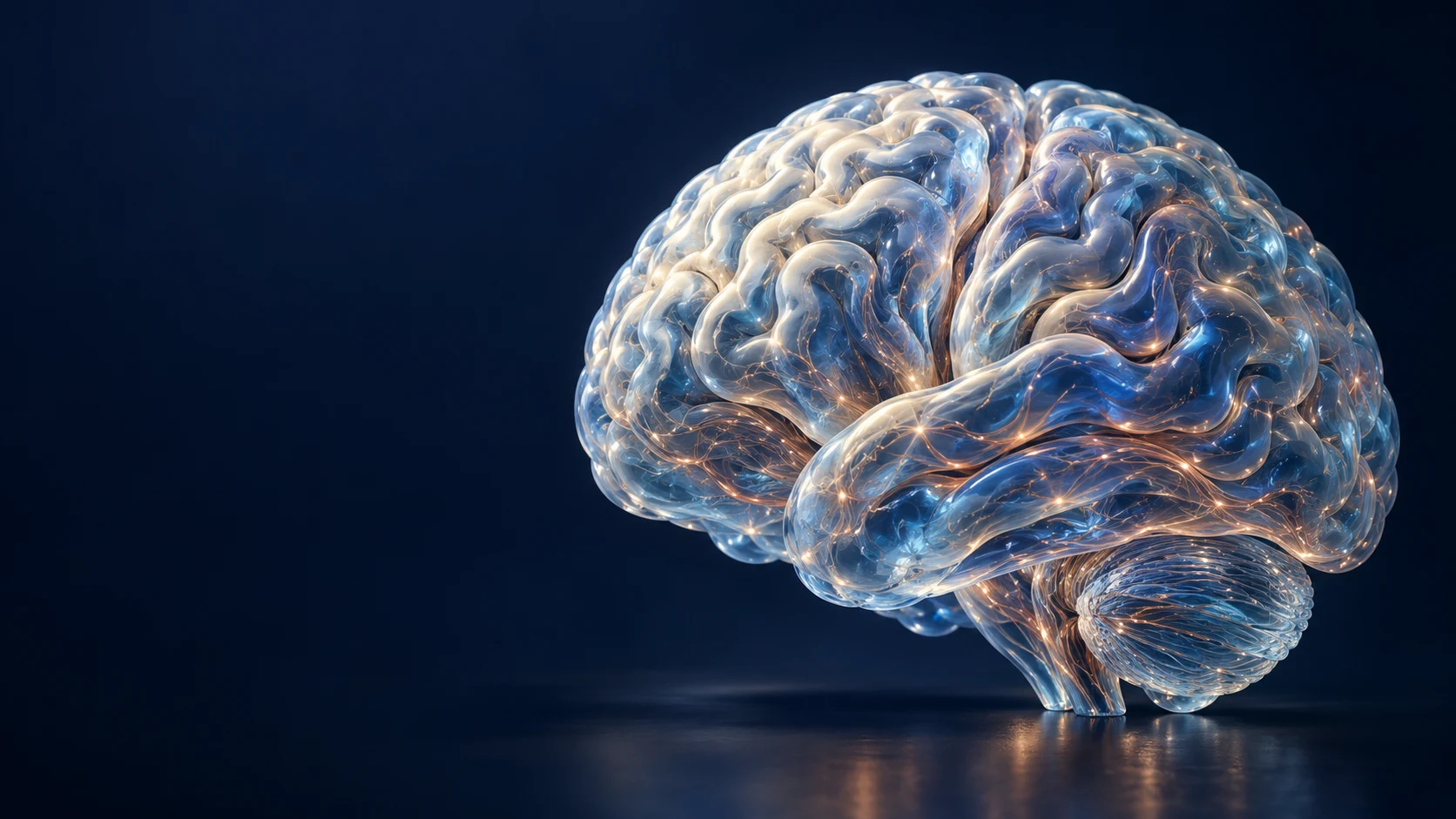
Educational information, not an individualized diagnosis or treatment recommendation. Clinical services, providers, testing, access, fees and follow-up are agreed separately. New or worsening symptoms should be evaluated by an appropriate clinician rather than relying on this website. The brain artwork is an artistic representation, not a patient scan or a claim about neurological effects.